Algorithmic Personalization Fuels Evolution of Promotional Methods Within Interactive Gaming Realms
Otto Krause · Jul 22, 2026
Algorithmic Personalization Fuels Evolution of Promotional Methods Within Interactive Gaming Realms
Understanding the Mechanics Behind Algorithmic Personalization
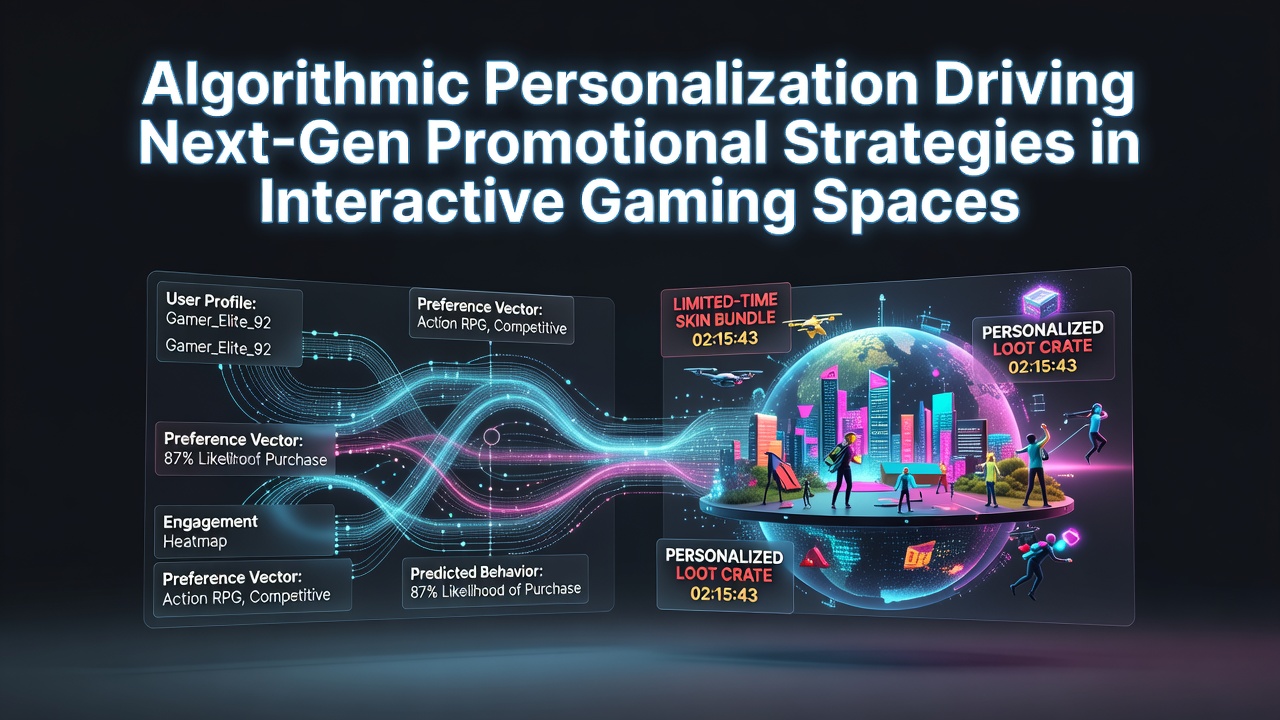
Interactive gaming platforms have integrated machine learning systems that analyze player behavior patterns, session durations, and in-game choices to generate tailored promotional offers, and these systems process vast datasets in real time to adjust incentives such as bonus rounds, loyalty rewards, and targeted challenges. Data from industry reports shows that personalization engines draw on variables including geographic location, device type, and historical engagement metrics, which allows operators to deliver messages that align closely with individual preferences while maintaining compliance with regional regulations.
Researchers at academic institutions have documented how these algorithms evolve through continuous feedback loops, and one study from a Canadian university highlighted that platforms using adaptive models saw measurable shifts in user retention rates compared to static promotional approaches. The technology relies on collaborative filtering and predictive analytics, which connect past actions with likely future behaviors, yet operators must balance these capabilities against data privacy standards enforced by bodies like the Australian Communications and Media Authority.
Current Applications Across Gaming Ecosystems
Developers in mobile and console environments deploy these tools to create dynamic campaigns that respond to player milestones, for instance triggering customized offers immediately after a user completes a level or achieves a high score. In July 2026 several major platforms introduced updates that incorporated real-time sentiment analysis from chat interactions and social features, enabling promotions that reflect not only gameplay data but also expressed preferences within community spaces.
What's interesting is the way European regulatory frameworks have influenced implementation, with the Malta Gaming Authority requiring transparency in how algorithms determine offer eligibility. Observers note that this has led to standardized disclosure practices across multiple jurisdictions, and industry associations have begun publishing guidelines that help smaller studios adopt similar systems without extensive in-house expertise.
Integration with Broader Marketing Channels
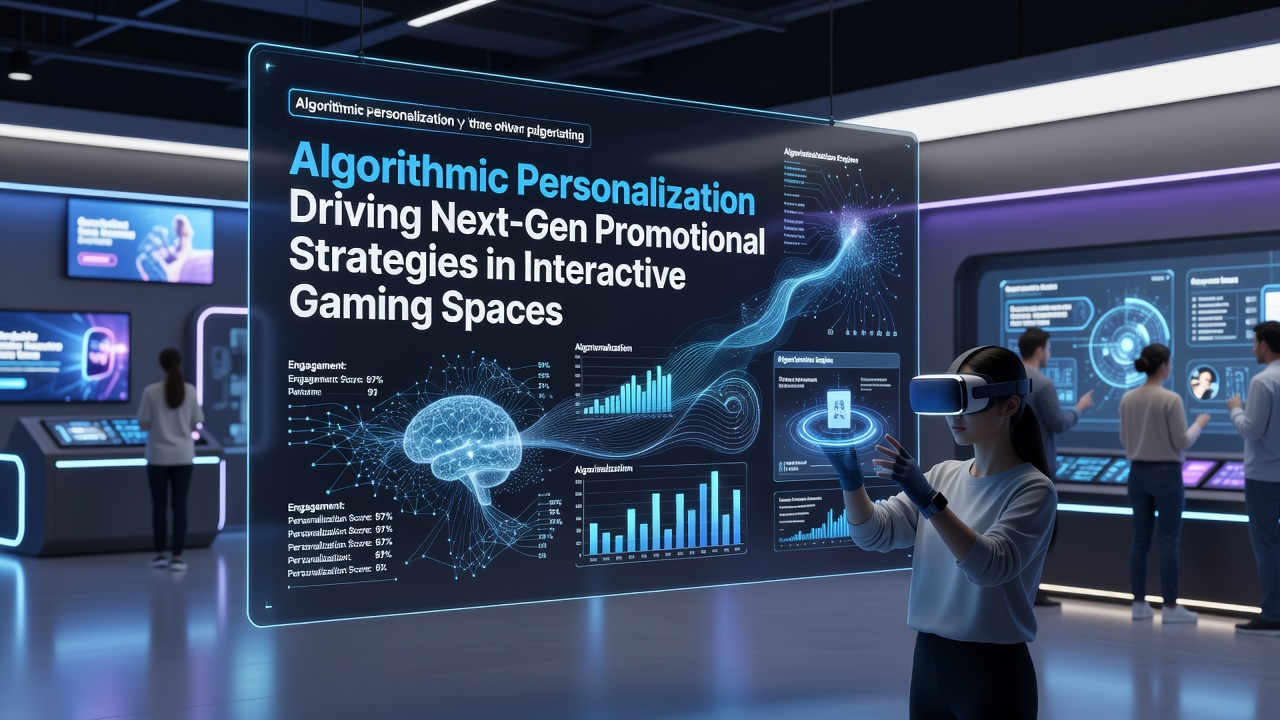
Promotional strategies now extend beyond in-app notifications to include email sequences, push alerts, and cross-platform partnerships that leverage the same underlying data models. A report from the European Gaming and Betting Association indicates that synchronized campaigns across channels produce higher engagement when algorithms coordinate timing and content based on individual activity peaks. Those who've examined platform architectures point out that cloud-based processing allows for rapid scaling during peak events such as seasonal tournaments or new content releases.
Take one case where operators partnered with hardware manufacturers to embed personalization layers directly into device firmware, and this approach reduced latency in offer delivery while preserving user control over data sharing settings. Government agencies in Asia-Pacific regions have started pilot programs that test algorithmic fairness in promotional targeting, with preliminary findings expected to shape future policy updates.
Regulatory and Technical Considerations
Compliance teams monitor how personalization algorithms handle sensitive information, and they often implement audit trails that record decision pathways for each generated offer. Research institutions continue to explore bias mitigation techniques, since models trained on limited datasets can inadvertently favor certain demographics over others. According to findings presented at international gaming conferences, platforms that incorporate regular model retraining demonstrate improved accuracy in matching promotions to user segments.
Yet the ball remains in the court of developers to ensure these systems do not create unintended barriers for new players, and organizations such as the International Game Developers Association have released resources that outline best practices for inclusive design. Data shows that transparent communication about algorithmic processes correlates with stronger long-term player relationships across diverse markets.
Future Directions and Industry Momentum
Emerging trends point toward greater use of generative AI components that craft unique promotional narratives for each participant, while maintaining consistency with established brand guidelines. Industry reports forecast continued investment in edge computing solutions that process personalization tasks closer to the user device, which reduces reliance on centralized servers during high-traffic periods. Those monitoring developments note that collaborations between gaming firms and academic research centers are accelerating the refinement of these technologies.
What's significant is the role of international standards bodies in harmonizing approaches across borders, and efforts underway in 2026 aim to establish shared benchmarks for evaluating personalization effectiveness without compromising individual privacy protections.
Conclusion
Algorithmic personalization continues to reshape how promotional strategies operate within interactive gaming spaces, driven by advances in data processing and regulatory adaptation. Evidence from multiple sources demonstrates measurable impacts on engagement metrics when systems align offers with demonstrated user interests, and ongoing work by researchers and industry groups supports further refinement of these methods. Platforms that integrate these capabilities while adhering to evolving standards position themselves to meet the demands of increasingly sophisticated player bases across global markets.