Behind the Screens: How Payment Choices Influence Loyalty in Mobile Live Dealer and Betting Scenes
Viktor Werner · Jul 25, 2026
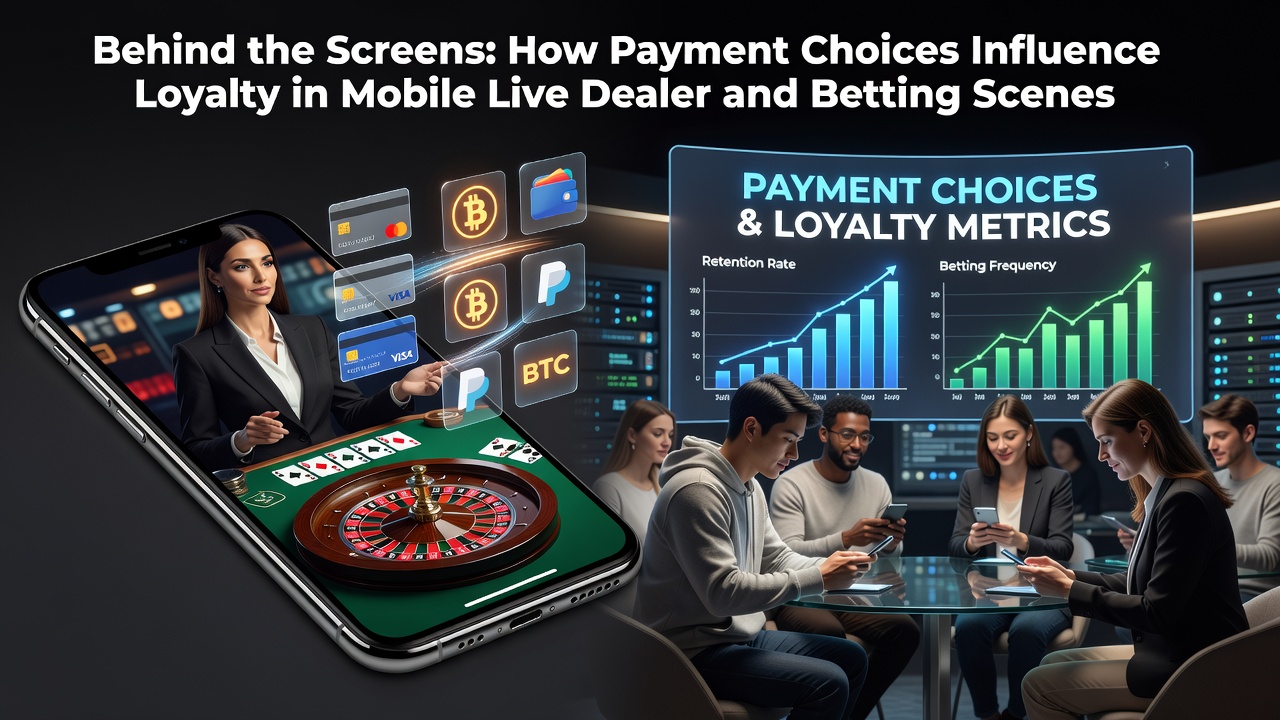
Behind the Screens: How Payment Choices Influence Loyalty in Mobile Live Dealer and Betting Scenes
Payment methods in mobile live dealer and betting environments shape user retention patterns through transaction speed, security features, and integration ease, according to industry reports released in early 2026. Data from multiple markets shows that players who select instant or low-friction options often maintain higher activity levels over extended periods, while slower methods correlate with reduced engagement after initial sessions.
Observers tracking mobile gambling trends note that e-wallets and digital payment systems frequently appear in loyalty statistics because they reduce the time between deposit and play, allowing users to move directly into live dealer tables or sports wagers. In contrast, traditional bank transfers and card-based options sometimes introduce verification steps that interrupt momentum, leading to lower repeat usage rates across similar platforms.
Common Payment Methods and Their Technical Profiles
Mobile applications supporting live dealer games and betting typically offer a range of options including credit and debit cards, e-wallets such as PayPal or Skrill, cryptocurrency transfers, and direct bank integrations. Each category carries distinct processing times and fee structures that influence how often players return to the same app.
Card payments remain widely available yet require additional authentication layers in many regions, which can extend completion times to several minutes or more. E-wallet solutions, by comparison, often complete within seconds once accounts link, and this difference appears in retention metrics compiled by research groups monitoring European and Asian markets. Cryptocurrency options have gained traction in jurisdictions where regulatory clarity exists, providing near-instant confirmations and appealing to users who prioritize privacy alongside speed.
Retention Data and Behavioral Patterns
Figures compiled through 2025 and into July 2026 indicate that platforms emphasizing mobile-optimized wallets record higher session frequencies among live dealer participants. One analysis from an international gaming research body found that users completing deposits via integrated e-wallets averaged 1.8 times more weekly sessions than those relying on card methods alone.
Those studying betting apps report similar outcomes, where instant withdrawal capabilities tied to certain payment choices encourage continued play rather than migration to competing services. The connection stems from reduced friction in moving winnings back to personal accounts, which builds a cycle of repeated engagement without extended waiting periods.
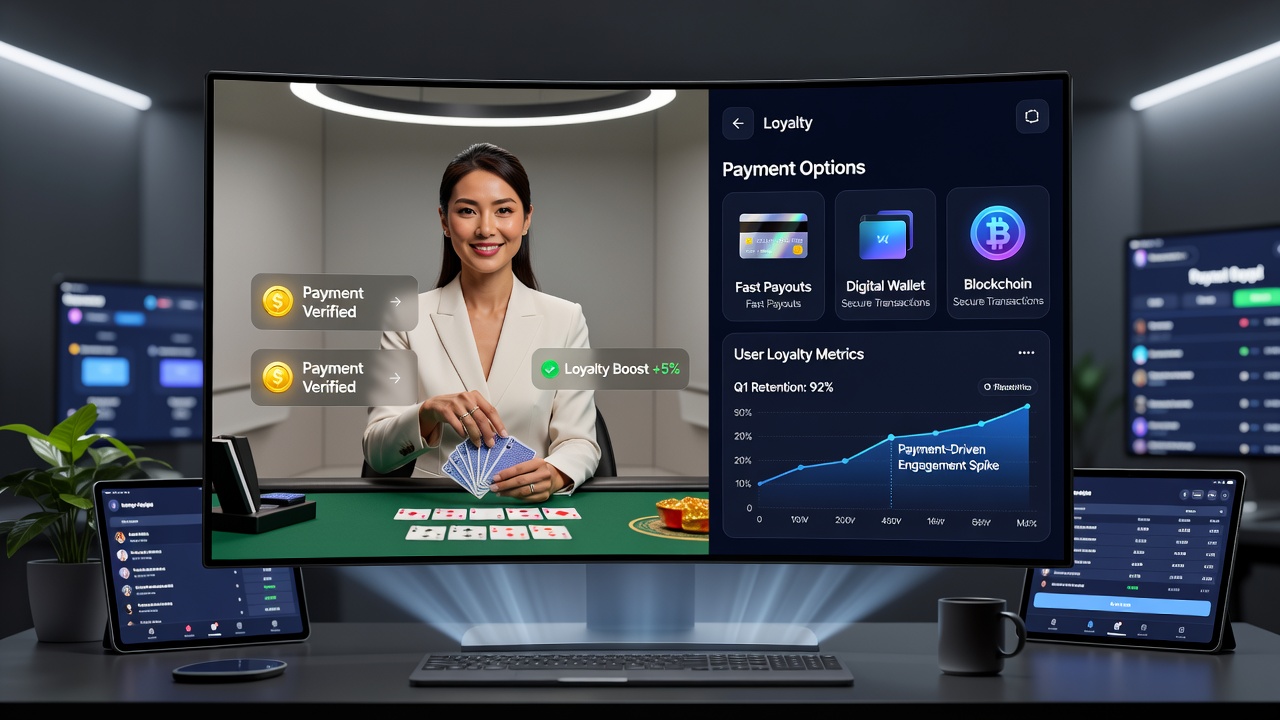
Geographic variations also surface in the data, with regions enforcing stricter verification rules showing slower adoption of certain methods. Australian regulatory summaries and Canadian provincial reports both highlight how streamlined payment flows support sustained user bases, particularly in live dealer environments that demand quick top-ups during extended table sessions.
Security Features and Their Role in Sustained Use
Security protocols embedded in payment systems contribute to loyalty by addressing concerns over data protection and fraud prevention. Two-factor authentication combined with biometric verification on mobile devices has become standard, and platforms that integrate these features seamlessly tend to retain users who value both convenience and safety.
Industry organizations such as the European Gaming and Betting Association have documented cases where enhanced encryption standards correlate with longer account lifespans. Users who experience fewer security interruptions during transactions often maintain consistent activity across live dealer and betting features rather than seeking alternatives after a single issue.
Academic studies from institutions examining digital payment adoption in gambling contexts further suggest that transparent fee disclosures and clear processing timelines reduce abandonment rates. When players understand exact costs and timelines upfront, they demonstrate greater willingness to stick with one platform over time.
Integration Challenges Across Devices
Cross-device compatibility presents ongoing considerations for payment systems in mobile live dealer scenes. Applications that maintain consistent performance on both smartphones and tablets enable smoother transitions between sessions, and payment options that function reliably across operating systems support this continuity.
Developers addressing these factors often prioritize APIs that connect multiple wallet providers without requiring repeated user input. Data from platform analytics shows that reduced setup friction in this area aligns with higher loyalty indicators, especially among users who switch between live dealer tables and in-play betting markets frequently.
Conclusion
Payment choices in mobile live dealer and betting environments connect directly to observed loyalty metrics through speed, security, and integration quality. Available data from regulatory bodies and research groups across regions illustrates how these elements combine to shape user behavior patterns over months and years. Platforms that align payment features with player expectations for minimal disruption continue to see sustained engagement levels in both live dealer and sports betting segments as of mid-2026.