Cross-Platform Rewards: Examining the Role of Payment Flexibility in Blending Slots, Tables, and Live Poker Experiences
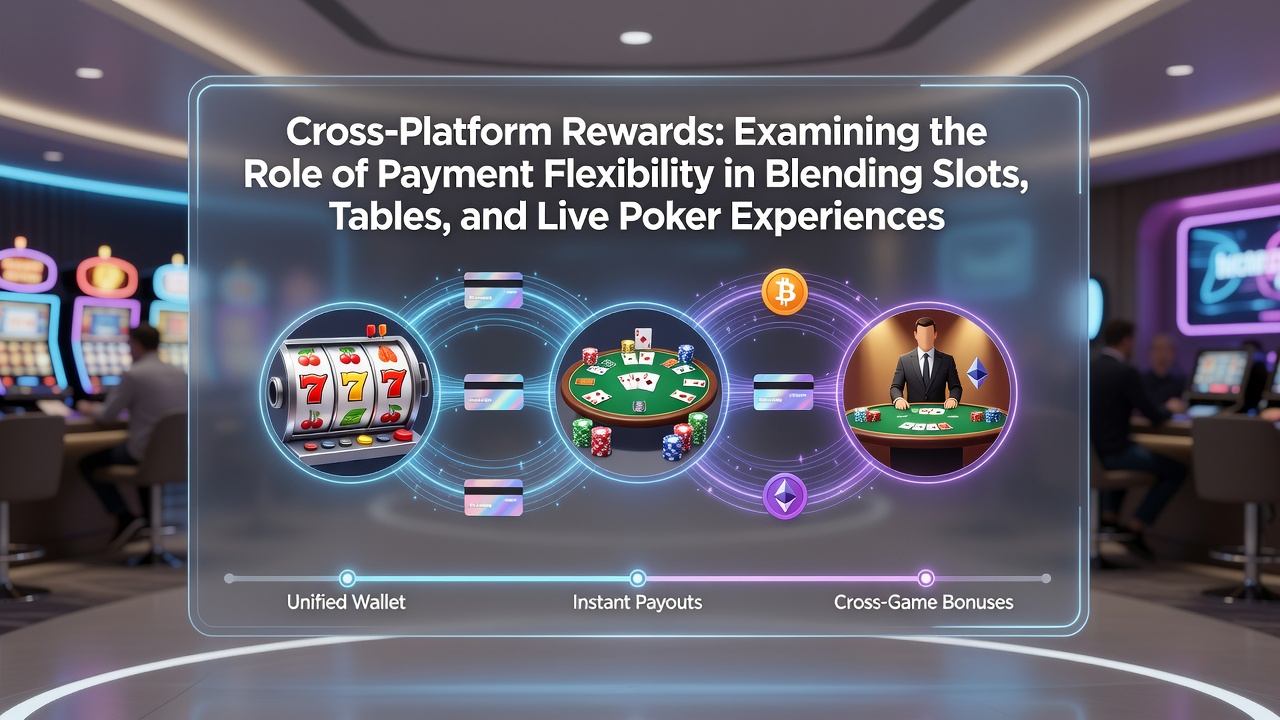
Payment flexibility has become central to how online platforms integrate rewards across slots, table games, and live poker, allowing players to move between formats without losing accumulated benefits or facing transaction barriers. Operators now design systems where deposits and withdrawals support multiple methods, which in turn feeds into unified loyalty structures that track activity from quick spins to extended poker sessions.
How Payment Options Shape Unified Reward Systems
Modern platforms link various payment channels directly to reward ledgers, so activity in one game type contributes to progress in others through shared point pools. Research from the University of Nevada, Las Vegas Center for Gaming Research shows that seamless transactions increase cross-game participation rates, since users avoid separate funding steps when switching from automated slots to live dealer tables. Flexible methods such as e-wallets, bank transfers, and digital currencies reduce friction, which lets reward algorithms register consistent play across formats rather than isolating each category.
Data indicates that platforms offering instant processing for multiple currencies maintain higher retention in blended environments. Those systems calculate rewards based on wager volume and session duration, applying the same multipliers whether the activity occurs on a video slot or during a live poker tournament. This approach creates continuity that single-method payment setups often lack, because players encounter fewer interruptions when moving between game styles.
Integration of Slots, Tables, and Live Poker Through Flexible Transactions
Slots typically feature rapid cycles with smaller individual wagers, whereas table games require strategic pacing and live poker adds social elements with variable stakes. Payment flexibility bridges these differences by supporting instant top-ups during live sessions and immediate withdrawals after table play concludes. Observers note that reward programs adjust point accrual rates automatically based on the game type, yet the underlying balance remains accessible through any linked payment channel.
One study revealed that operators using multi-channel payment gateways see increased movement between slots and poker rooms, because users can fund accounts without leaving the active interface. Figures from industry reports highlight that platforms with integrated crypto options experience faster reward redemption cycles, since transaction times drop below traditional banking delays. This speed supports continuous engagement, where points earned on tables convert directly into bonuses usable on slots without additional verification steps.

Live poker environments benefit particularly from flexible systems because they often involve longer sessions and larger fund movements. Payment methods that handle both micro-transactions for slots and larger transfers for poker tables allow reward trackers to maintain accurate tallies across all formats. Regulatory updates scheduled for June 2026 in several jurisdictions aim to standardize reporting for these cross-format transactions, which may further align reward mechanics with payment security requirements.
Technical Frameworks Supporting Cross-Format Reward Tracking
Backend systems connect payment processors to game servers through APIs that log every transaction against a central player profile. This architecture ensures that reward multipliers applied to slots carry over when the same account engages table games or enters live poker lobbies. Data from the Malta Gaming Authority indicates that platforms with real-time synchronization reduce discrepancies in point balances, which previously occurred when separate ledgers handled different game categories.
Payment flexibility also influences bonus structures, since operators can tie deposit matches or cashback offers to activity across multiple formats rather than restricting them to one type. Those who've examined player behavior patterns find that unified systems encourage exploration of new game categories, because the financial barrier to entry stays low regardless of the chosen format. Transaction logs feed directly into algorithms that adjust reward tiers based on total volume, not isolated game performance.
Regulatory and Operational Considerations
Jurisdictions across Europe and North America require transparent tracking of funds as they move between game types, which payment flexibility must accommodate through detailed audit trails. The New Zealand Department of Internal Affairs has examined how multi-method payment systems affect responsible gaming tools, noting that unified balances help implement spending limits across an entire platform rather than per game. These requirements push operators to refine their reward engines so that flexibility does not compromise compliance reporting.
Industry associations continue to document how integrated payment and reward frameworks perform under varying regulatory conditions, with particular attention to live poker environments where session lengths differ significantly from slots. Technical standards now emphasize compatibility between payment gateways and loyalty databases to prevent fragmentation when users switch formats mid-session.
Conclusion
Payment flexibility directly supports the blending of slots, tables, and live poker by enabling continuous reward accumulation and redemption across formats. Unified systems reduce operational silos, while regulatory developments expected in 2026 may standardize further integration. Platforms that maintain consistent transaction support across game types demonstrate measurable advantages in player movement between categories, according to available performance data.