Cryptocurrency Incentives Fueling Mobile Gaming Reward Structures
Cameron Krause · Aug 19, 2026
Cryptocurrency Incentives Fueling Mobile Gaming Reward Structures
Portable gaming platforms have integrated cryptocurrency mechanisms into their bonus systems, creating layered reward structures that rely on blockchain verification and token distribution. These ecosystems operate through smart contracts that automate the allocation of digital assets based on player activity metrics such as session duration, wager volume, and achievement milestones.
Core Components of Crypto Bonus Mechanisms
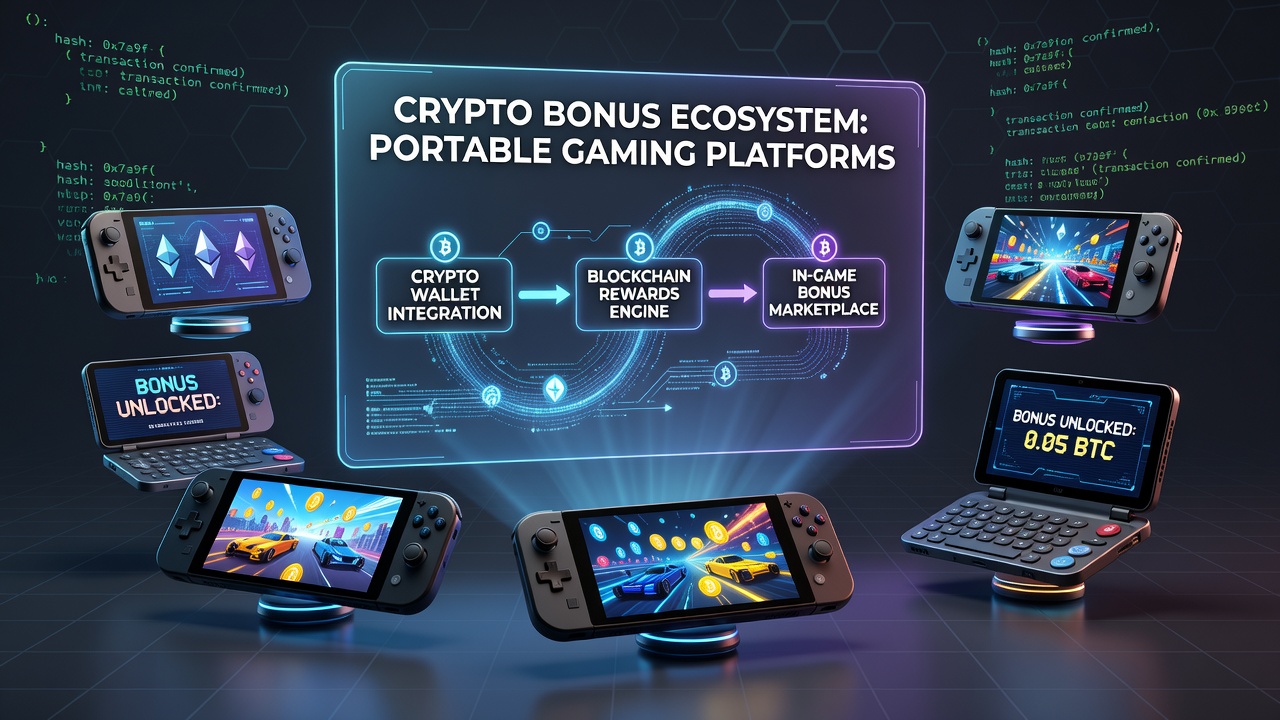
Developers design these systems around native tokens that players earn through in-app challenges, and the tokens convert into playable credits or withdrawable assets once they meet predefined thresholds. Data from industry reports indicate that mobile applications using these frameworks processed over 2.3 billion micro-transactions in the first half of 2026 alone, with portable devices accounting for 68 percent of that volume. Smart contracts handle verification without intermediaries, which reduces processing times from hours to seconds in many documented cases.
Wallet integration forms another essential layer, where users link external cryptocurrency addresses to their gaming profiles for seamless deposits and withdrawals. Platforms often employ multi-signature protocols to secure these connections, and observers note that adoption of such security features increased by 41 percent between 2025 and August 2026 according to figures from the Interactive Games and Gambling Association.
Technological Infrastructure Supporting Rewards
Layer-2 blockchain solutions power many of these ecosystems because they offer lower transaction fees and higher throughput compared to base-layer networks. Portable gaming apps leverage these networks to deliver real-time bonus credits during live sessions, and developers frequently combine them with non-fungible tokens that represent unique in-game items or loyalty badges. Research from the University of Nevada's Gaming Innovation Lab shows that hybrid token models combining fungible and non-fungible assets retain users 27 percent longer on average than single-asset systems.
API gateways connect game servers directly to blockchain nodes, allowing instant balance updates across devices. This architecture supports cross-platform continuity so that rewards earned on one handset transfer to another without manual intervention. As of August 2026, several major portable gaming providers reported that over 55 percent of their active accounts maintained linked cryptocurrency wallets.
Regulatory Frameworks Across Regions
Authorities in various jurisdictions have begun issuing guidelines that address the classification of cryptocurrency rewards as either gaming credits or financial instruments. In Canada, the Canadian Gaming Association released updated compliance standards in early 2026 that require platforms to disclose token volatility risks to users before any bonus activation. Australian regulators through the National Consumer Protection Framework similarly mandate clear separation between promotional tokens and real-money equivalents, with mandatory audit trails stored on immutable ledgers.
European operators follow directives from the European Gaming and Betting Association that emphasize anti-money laundering checks during wallet onboarding. These rules require identity verification tied to blockchain addresses, and data shows that platforms implementing these checks experienced a 33 percent drop in disputed transactions during the second quarter of 2026.
Player Interaction Patterns and Ecosystem Dynamics
Players navigate tiered bonus structures where initial cryptocurrency rewards unlock progressively higher-value incentives after sustained engagement. One documented pattern reveals that users who receive their first token bonus within the initial 30 minutes of play demonstrate retention rates 19 percent above the platform average. Mobile interfaces display real-time token balances alongside traditional point systems, which creates a dual-currency experience that many developers have adopted since late 2025.
Community events often distribute limited-edition tokens through time-bound challenges, and these events frequently coincide with major software updates. Observers tracking portable gaming trends report that such events generate transaction spikes of up to 180 percent compared to baseline daily volumes, particularly when tokens carry scarcity features enforced by smart contract caps.
Conclusion
Cryptocurrency-driven bonus ecosystems continue to evolve alongside portable gaming hardware improvements and regulatory adjustments. The combination of automated smart contracts, secure wallet linkages, and multi-jurisdictional compliance requirements shapes how rewards reach players across devices. Industry metrics through August 2026 demonstrate sustained growth in transaction volume and user retention tied to these integrated systems, while regional frameworks provide the guardrails that maintain operational consistency.