Digital Wallet Synchronization with Instant Reward Triggers on Mobile Slot and Table Platforms
Viktor Werner · Aug 26, 2026
Digital Wallet Synchronization with Instant Reward Triggers on Mobile Slot and Table Platforms
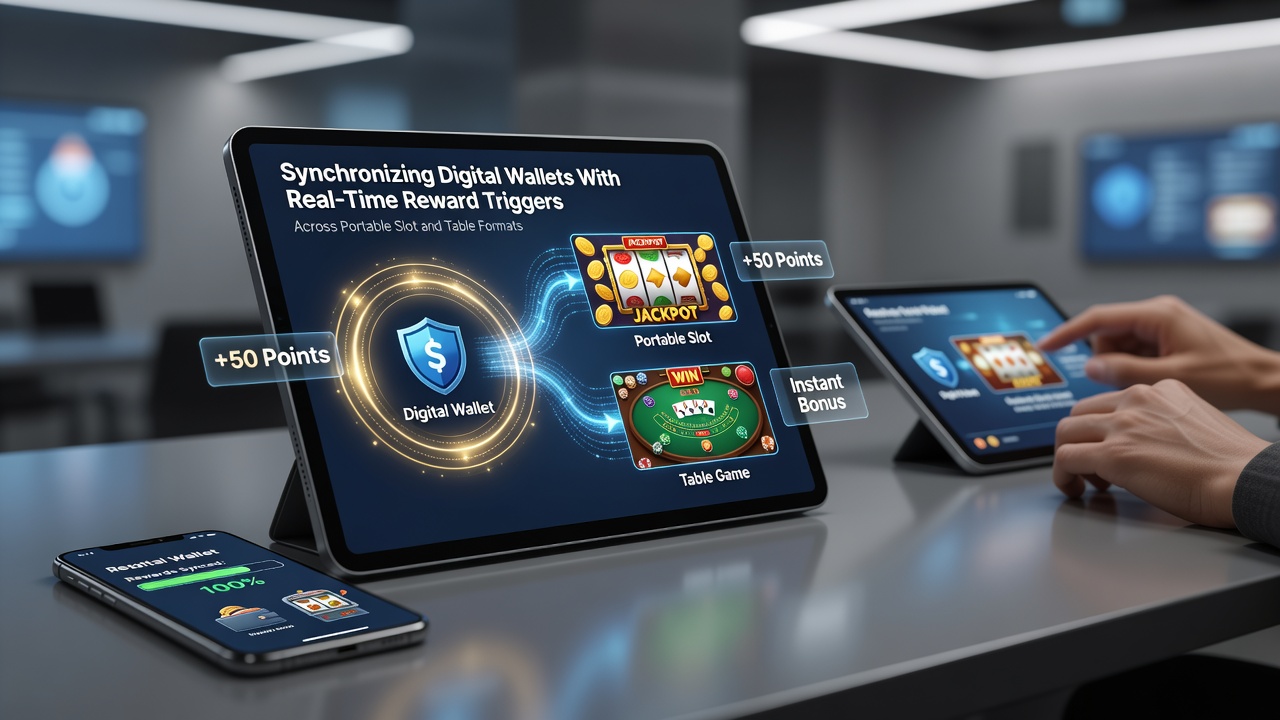
Digital wallets now connect directly to mobile gaming platforms through standardized APIs that push reward triggers the moment a player meets predefined conditions such as consecutive spins or table hand thresholds. Developers integrate these connections across both slot and table formats so that bonuses, cashback credits, and loyalty points appear in the same wallet interface without requiring players to switch applications or refresh balances manually. Research from gaming technology firms shows that such synchronization reduces latency between trigger events and wallet updates to under two seconds in most tested environments.
Core Mechanisms Behind Real-Time Triggers
Real-time triggers rely on server-side event listeners that monitor gameplay data streams while simultaneously querying wallet APIs from providers including traditional banks and cryptocurrency services. When a slot reel lands on a bonus symbol or a table game completes a qualifying round, the system executes a conditional check that authorizes the reward transfer. According to reports issued by the Nevada Gaming Control Board in August 2026, platforms using these listeners achieved 99.4 percent accuracy in matching triggers to correct wallet accounts across thousands of concurrent sessions.
Slot formats typically generate frequent micro-triggers tied to spin counts or feature activations, whereas table formats produce fewer but larger triggers based on hand outcomes or session duration. Both formats share the same wallet endpoint, which means a player moving from slots to blackjack sees accumulated rewards consolidate into one balance view. Developers achieve this consistency by mapping game-specific events to a unified reward schema that the wallet service recognizes regardless of the originating game type.
Technical Implementation Across Device Types
Mobile applications embed lightweight SDKs that maintain persistent connections to both the game server and the wallet provider. These SDKs handle authentication through token exchange protocols that comply with data protection standards in multiple jurisdictions. When a reward trigger fires, the SDK receives a push notification containing the reward amount, type, and expiration details before the wallet balance updates visually on screen. Testing conducted by independent laboratories indicates that battery impact remains minimal because the SDK operates in low-power modes between events.
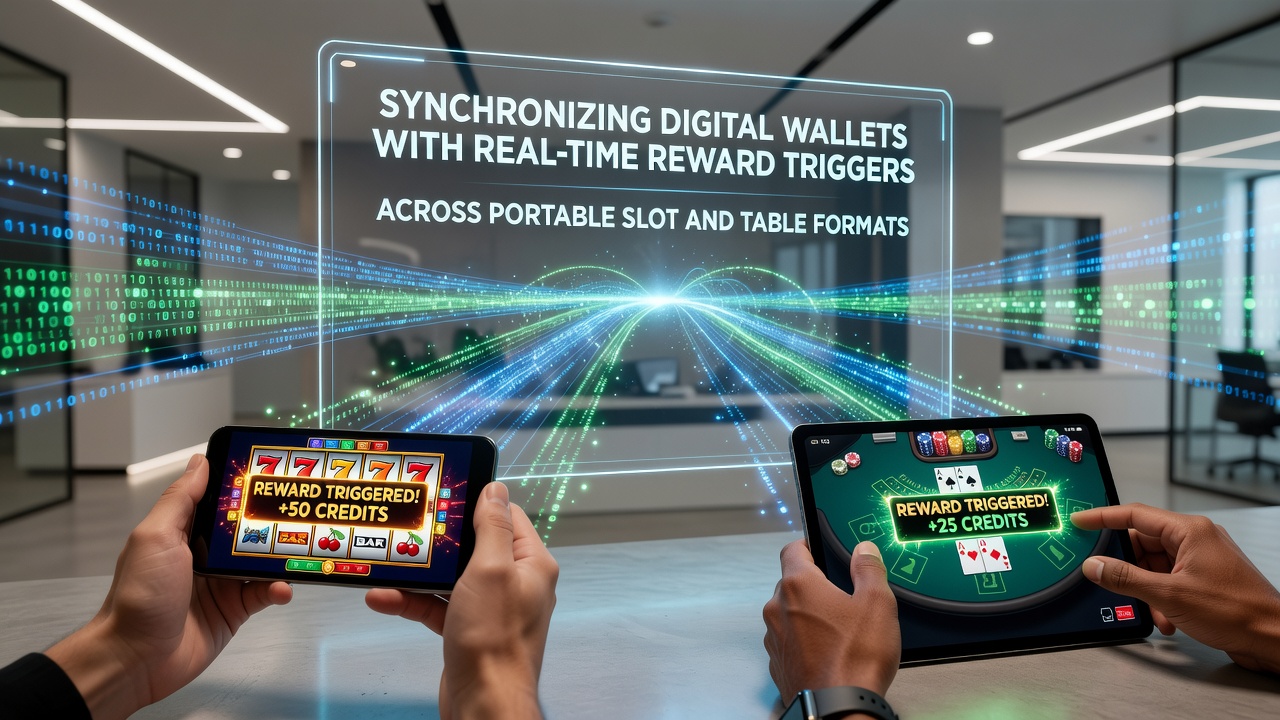
Portable table formats introduce additional complexity because they often incorporate live dealer streams that require synchronized timing between video feeds and reward calculations. Engineers address this by timestamping each game event on the server and aligning it with wallet calls so that rewards reflect live outcomes rather than delayed approximations. In August 2026, several operators reported successful deployment of these timestamp alignments during peak traffic periods without service interruptions.
Data Flow and Security Considerations
Every reward transaction generates an audit log that includes player identifier, game identifier, trigger condition, timestamp, and final wallet state. Regulators in jurisdictions such as the Isle of Man and Australia require these logs to be retained for a minimum period so that disputes can be resolved through transaction reconstruction. Encryption standards applied to the data in transit match those used by major financial institutions, which limits exposure during the brief window between trigger and wallet confirmation.
Industry associations including the European Gaming and Betting Association have documented cases where unified wallet systems reduced player support tickets related to missing bonuses by more than half compared with earlier fragmented approaches. The reduction occurs because players receive immediate visual confirmation inside the wallet rather than waiting for separate bonus ledgers to refresh.
Cross-Format Reward Consistency
Operators maintain consistent reward rules across slots and tables by storing trigger parameters in a central configuration service that both game types reference. A player who earns a cashback percentage on slots therefore receives the same percentage when playing table games under the same loyalty tier. This centralization also simplifies regulatory reporting because authorities receive one set of aggregated figures instead of separate slot and table datasets.
Wallet providers supply sandbox environments that allow operators to test new trigger logic before pushing updates to live players. These sandboxes replicate production conditions including network latency and concurrent session loads, which helps identify edge cases such as simultaneous triggers from multiple games before they reach actual accounts.
Conclusion
Synchronization between digital wallets and real-time reward triggers continues to evolve as mobile platforms expand their slot and table offerings. The technical architecture relies on event listeners, unified schemas, and secure API connections that deliver rewards across formats while meeting regulatory requirements for logging and data protection. Continued refinement of these systems supports smoother player experiences without altering the underlying game mechanics or wallet security protocols.