Mapping Reward Structures in Mobile-Enabled Poker and Sports Wagering Integrations
Viktor Werner · Aug 1, 2026
Mapping Reward Structures in Mobile-Enabled Poker and Sports Wagering Integrations
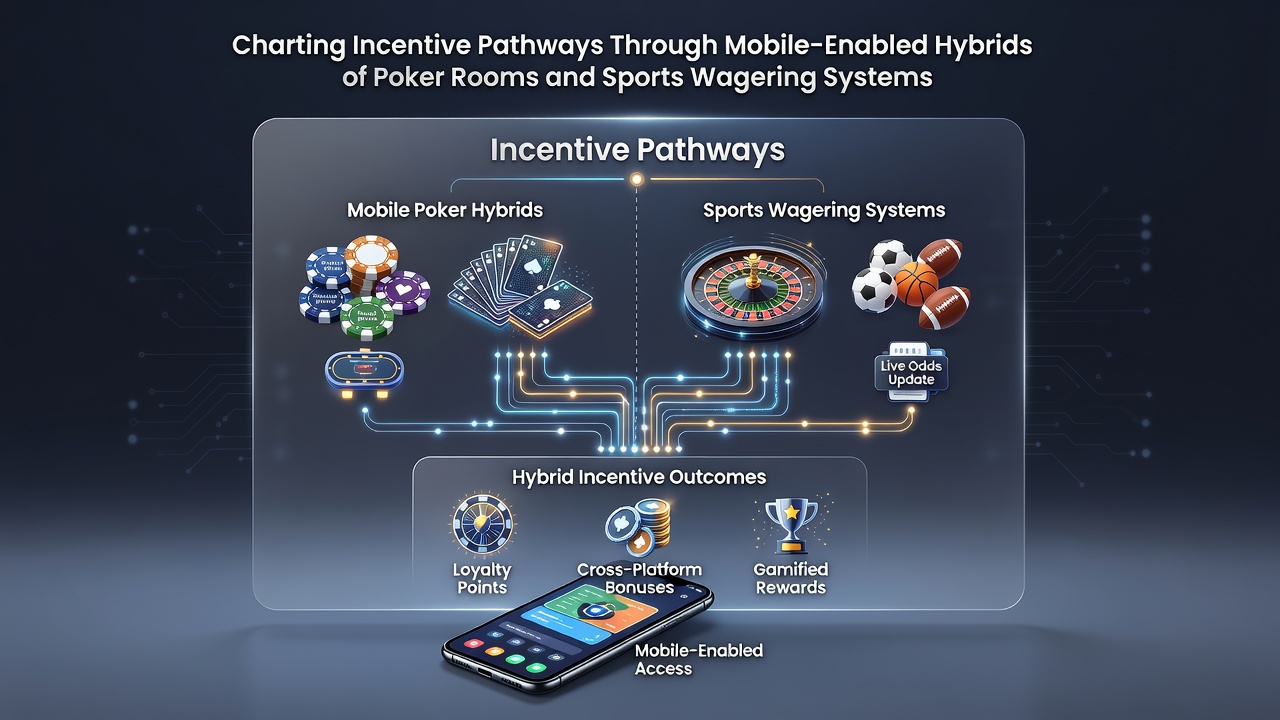
Integrated platforms that combine poker rooms with sports wagering systems have expanded their mobile offerings in recent years, creating unified incentive frameworks that track player activity across both verticals. These hybrids allow users to earn and redeem rewards through a single account structure, where points accumulated from poker hands or sports wagers contribute to shared progression tiers. Data from industry tracking services shows that such integrations appeared in multiple U.S. states by mid-2025, with operators reporting increased session times when cross-vertical rewards activate automatically on mobile devices.
Technical Foundations of Mobile Integration
Mobile applications serve as the central hub for these hybrids because they consolidate real-time poker seating, live sports odds, and account management into one interface. Developers have implemented API connections that synchronize loyalty ledgers instantly, so a completed poker tournament entry updates the same balance used for sports parlay bonuses. According to reports from the American Gaming Association, operators in regulated markets deployed these systems at scale during 2025, enabling seamless transitions between table games and event betting without separate logins or wallet transfers.
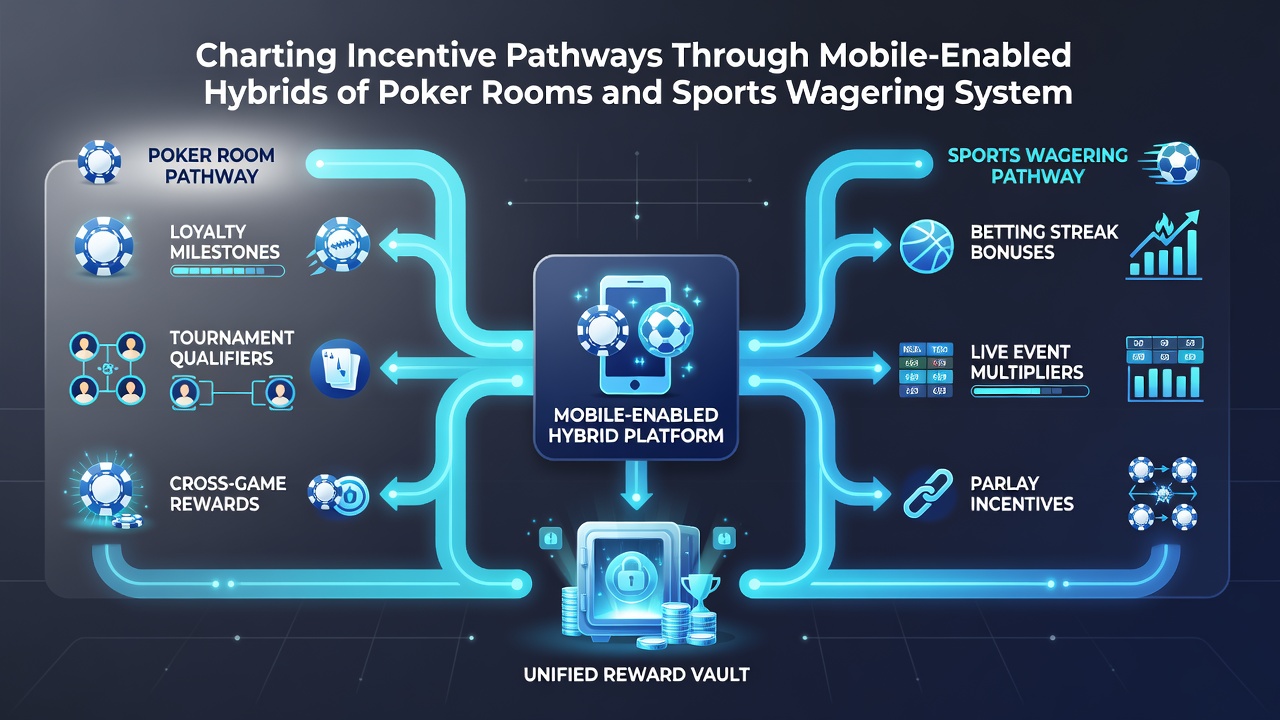
Backend databases now log every wager type under unified player profiles, which simplifies the calculation of incentive pathways. A player who places a sports bet and then joins a poker cash game can trigger tier advancement based on combined handle rather than isolated activity. This approach reduces fragmentation that previously required users to maintain separate accounts for each product category.
Structure of Shared Incentive Pathways
Reward pathways in these hybrids typically follow a tiered model where base points convert at fixed ratios across activities. Poker rake contributes to the same currency pool as sports betting margins, while milestone bonuses unlock after thresholds that combine both verticals. Observers note that platforms adjust conversion rates seasonally to balance participation, such as offering double points on poker during major sports events to offset lower table traffic.
Redemption options include free tournament entries, bet credits, or merchandise, all drawn from the aggregated balance. Research conducted by the Canadian Gaming Association indicates that players who engage with multiple verticals under one incentive system demonstrate longer retention intervals than those limited to single-product rewards. August 2026 figures are expected to reflect continued refinement of these ratios as operators analyze post-season data from the prior year.
Regulatory and Compliance Factors
State-level gaming commissions require clear separation of poker and sports wagering ledgers even when rewards merge at the player level. Compliance teams must audit the point-generation algorithms to ensure no cross-subsidization violates house rules or tax reporting standards. In Australia, the Department of Social Services has published guidelines on responsible gaming features that these hybrid systems incorporate, such as unified loss-limit tools that apply across poker and sports activity within the same mobile session.
Operators address these requirements by maintaining transparent audit trails that regulators can query in real time. Mobile geofencing further enforces jurisdictional boundaries, preventing incentive accrual when users cross into non-licensed areas. Those who have examined similar frameworks in European markets report that standardized reporting templates help reduce review times for new hybrid product launches.
Player Behavior Patterns and Platform Adjustments
Usage data reveals that mobile users often alternate between poker and sports wagering within single sessions when incentives align. A completed sports wager might unlock a poker sit-and-go ticket, while strong poker performance generates sports-related cashback. Platforms monitor these sequences to refine notification timing, sending targeted prompts when a user’s activity pattern suggests an upcoming reward threshold.
Case studies from operators in New Jersey and Pennsylvania show that hybrid incentives correlate with higher average revenue per user during peak mobile hours. Yet the same datasets indicate that players prefer predictable pathways over complex multipliers, prompting several platforms to simplify their structures ahead of the 2026 season.
Conclusion
Mobile-enabled hybrids continue to evolve their incentive pathways by linking poker and sports wagering activity under unified tracking systems. Regulatory oversight, technical synchronization, and behavioral data together shape how these rewards distribute across user bases. As platforms release updates in August 2026 and beyond, the focus remains on maintaining compliance while delivering consistent progression mechanics that reflect combined engagement across both product types.