Mapping Synergies in Portable Interfaces: Where Sports Options Meet Layered Incentives and Flexible Payments
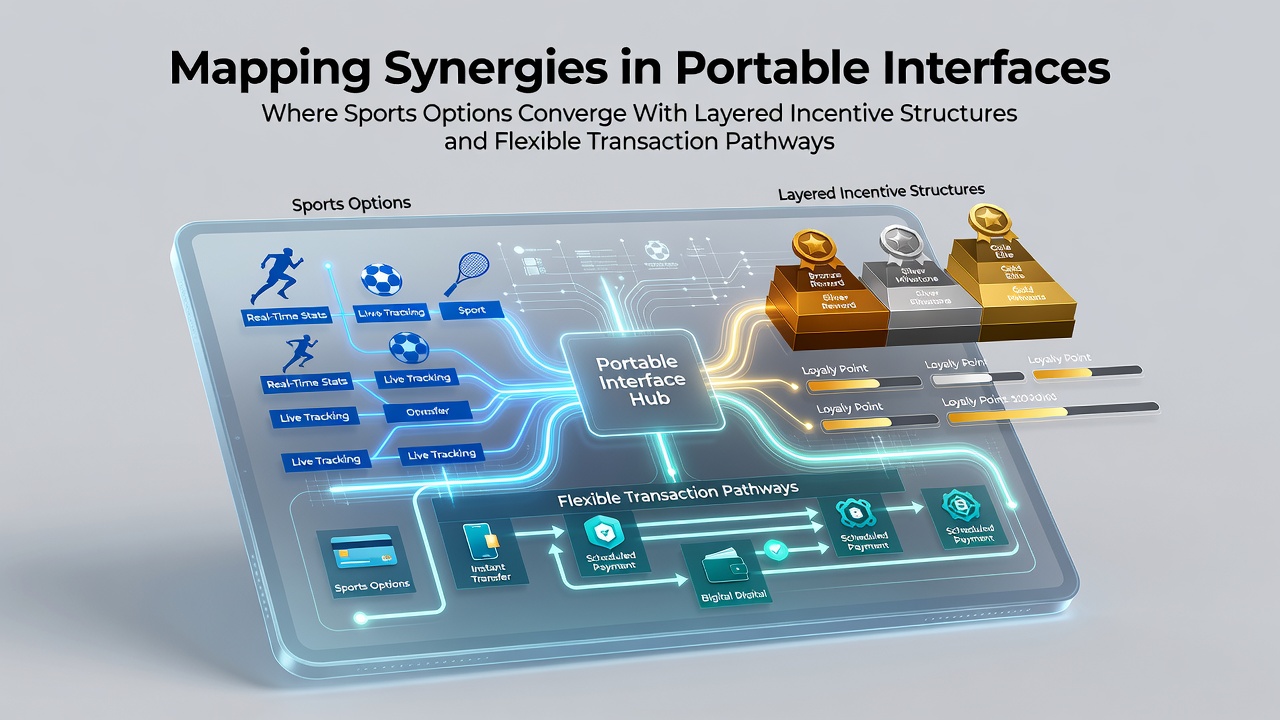
Portable interfaces have evolved into sophisticated systems that combine sports betting choices with multi-level reward programs and adaptable payment routes, creating interconnected experiences for users across devices. Observers note that these platforms rely on unified dashboards where live event selections appear alongside progress trackers for loyalty milestones, allowing seamless shifts between wagering and account management without leaving the primary view. Research indicates that such designs emerged prominently after 2020 when mobile traffic surpassed desktop usage in regulated markets, prompting developers to prioritize single-screen navigation that reduces friction during rapid decision-making sequences.
Core Components of Sports Integration
Sports options within these interfaces extend beyond basic match listings to include real-time odds adjustments, statistical overlays, and multi-leg parlay builders that users can activate with minimal taps. Data from industry reports shows that platforms incorporating live streaming alongside bet placement see higher engagement rates because the visual feed remains active while transaction prompts surface contextually. Those who've examined user flow patterns find that convergence happens when sports categories link directly to incentive trackers, so a completed wager on a football match might automatically credit points toward the next reward tier without requiring separate navigation steps.
Layered Incentive Structures in Practice
Layered incentives typically follow tiered models where initial levels offer cashback percentages on losses while higher tiers unlock personalized multipliers and event-specific bonuses. According to analyses from the Canadian Gaming Association, these structures maintain user retention by displaying clear progression bars that update after each qualifying transaction, turning routine bets into cumulative achievements. Flexible pathways appear here as well, since users can often choose how to redeem accumulated rewards—either as direct credits, free bets, or converted balances—through the same menu that handles deposits and withdrawals.
Transaction Pathways and Their Adaptability
Flexible transaction pathways support multiple methods ranging from traditional bank transfers and card payments to digital wallets and localized options like instant bank links or cryptocurrency conversions in permitted jurisdictions. Figures reveal that platforms enabling instant deposits paired with same-day withdrawal previews reduce cart abandonment during funding stages, especially when incentive eligibility depends on timely account top-ups. What's interesting is how these pathways intersect with sports options, allowing users to fund specific event pools directly or allocate portions of a deposit toward layered bonus triggers without exiting the betting interface.
One study from the Australian Gambling Research Centre highlighted that users interacting with converged systems complete an average of 2.3 additional actions per session compared to segmented apps, largely because incentive notifications and payment confirmations appear inline rather than in separate pop-ups. Observers note that June 2026 marks a notable point when several regulatory frameworks in North America and parts of Europe plan to require standardized API connections between sports data feeds, loyalty engines, and payment processors, aiming to improve transparency across portable interfaces.
Technical Synergies Driving User Pathways
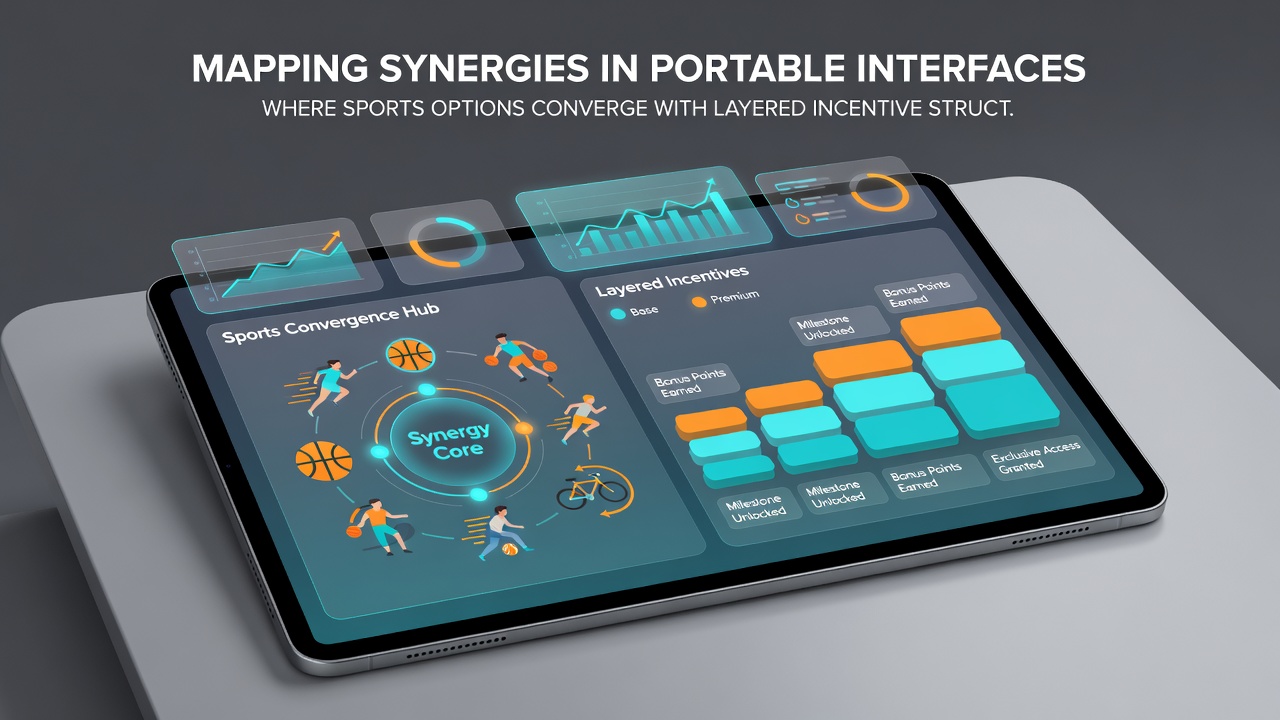
Technical synergies arise when backend systems synchronize sports event data with user incentive profiles and payment ledgers in real time, enabling features such as dynamic bonus offers triggered by live odds changes or automatic routing of winnings into preferred withdrawal channels based on prior selections. Those who've studied platform architectures find that microservice designs facilitate these connections, allowing updates to one element—like adding a new sports league—without disrupting the incentive calculation or transaction flow elsewhere. Research indicates that such modularity supports regional customization, where payment options adapt to local banking regulations while sports catalogs remain globally consistent.
Take one platform that integrated its loyalty engine with live sports feeds; users placing wagers on underdog outcomes received tier-progression boosts displayed immediately on the same screen as the bet confirmation. This approach reduces context switching, since everything from stake adjustment to reward preview stays within the portable interface. But here's the thing: maintaining these connections requires robust data synchronization protocols to prevent mismatches between displayed incentives and actual transaction outcomes, a challenge addressed through continuous testing cycles reported in trade publications.
Future Developments and Regulatory Context
Looking ahead, portable interfaces are expected to incorporate more predictive elements, where algorithms suggest sports options aligned with a user's current incentive tier and available payment balances. Evidence suggests that by mid-2026, updates to data protection standards in multiple jurisdictions will influence how transaction histories feed into personalized reward layers, requiring explicit consent mechanisms embedded directly in the interface. Industry organizations such as the Gaming Standards Association continue to publish interoperability guidelines that encourage these converged designs while preserving security across diverse device ecosystems.
Another relevant source comes from academic work at the Australian Gambling Research Centre, which tracks how mobile convergence affects session duration and cross-feature usage patterns. Those patterns show consistent growth in combined sports and incentive activities when transaction flexibility remains high, underscoring the value of unified portable systems.
Conclusion
Portable interfaces continue to refine the connections between sports options, layered incentives, and transaction pathways through iterative design improvements and regulatory alignment. Data shows these convergences support more integrated user journeys, with technical frameworks evolving to handle real-time updates across all three elements simultaneously. As standards advance into 2026 and beyond, the mapping of these synergies remains a central focus for platform developers seeking to maintain functionality within shifting compliance environments.