Mapping the Flow: Transaction Tracing in Mobile Environments Blending Slots and Betting Markets
Alex Zimmermann · Jul 29, 2026
Mapping the Flow: Transaction Tracing in Mobile Environments Blending Slots and Betting Markets
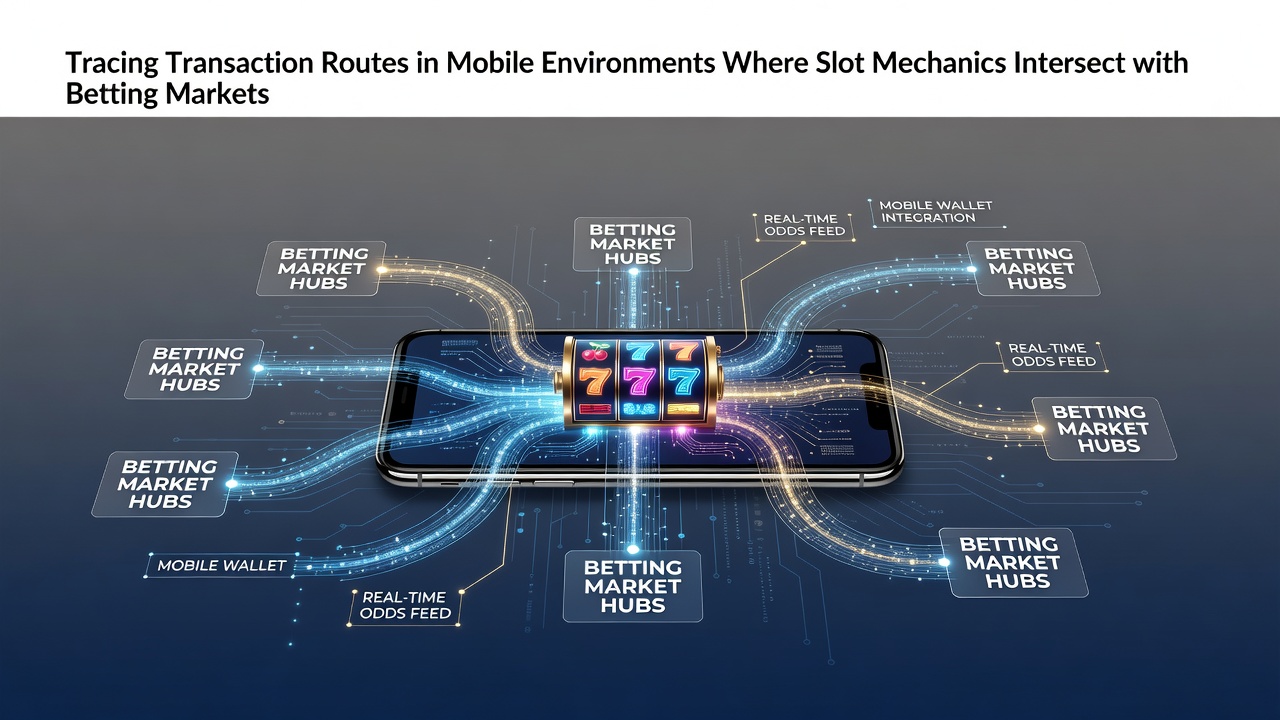
Transaction routes in mobile environments emerge when slot mechanics intersect with betting markets through integrated platforms that process wagers on both random outcomes and event-driven odds within the same application session. These systems combine reel-based game engines with live market feeds, creating layered data streams that regulators and operators track for compliance, security, and operational integrity. Mobile operating systems record each step from user input through payment gateways to final settlement, while backend servers log API calls that link a slot spin to an overlaid betting market position.
Core Components of Mobile Transaction Pathways
Slot mechanics generate fixed or variable return-to-player calculations that feed into the same ledger as betting market entries, which depend on external event data such as sports results or virtual simulations. When a player places a combined stake, the application routes the transaction through a unified wallet module that separates the random number generator component from the odds-matching engine yet records both under a single session identifier. Data packets travel from the device to cloud-based processors using encrypted channels that include timestamps, geolocation markers, and device fingerprints, allowing reconstruction of the full route if an audit is required.
Payment rails add further layers because mobile wallets, carrier billing, and cryptocurrency gateways each impose distinct verification steps before funds reach the game server. A transaction initiated on a smartphone may pass through three separate authorization nodes before the slot reel animation begins or the betting market position is confirmed. Observers note that these nodes create checkpoints where anomalies in timing or amount trigger alerts that feed into broader monitoring systems.
Regulatory Frameworks Guiding Route Documentation
Authorities in multiple jurisdictions require operators to maintain immutable records of every fund movement across hybrid game types. The Australian Transaction Reports and Analysis Centre, for instance, mandates that platforms handling both chance-based and skill-influenced wagers retain logs capable of isolating each component of a multi-leg transaction. Similar rules appear in Canadian provincial frameworks and Singaporean remote gambling guidelines, each emphasizing traceability from initial deposit through game outcome to withdrawal.
Industry groups such as the European Gaming and Betting Association publish technical standards that describe how session data should be structured so that slot outcomes and betting market settlements remain distinguishable even when executed in rapid succession. These standards influence the design of mobile application programming interfaces that timestamp every state change and attach unique identifiers to each wager type.
Technical Methods for Route Reconstruction
Operators employ graph-based databases that map relationships between individual game events and corresponding financial movements. Each node represents either a slot activation or a market entry, while edges capture fund transfers and outcome resolutions. When a discrepancy appears between expected and actual balances, analysts traverse these graphs to isolate the precise step where routing diverged from protocol.
Mobile device telemetry supplements server logs by capturing screen interaction sequences and network latency measurements that help verify whether a transaction request originated from the intended application instance. Researchers at institutions studying digital payment security have documented how combining device-level signals with backend reconciliation reduces the window for unauthorized route alterations.
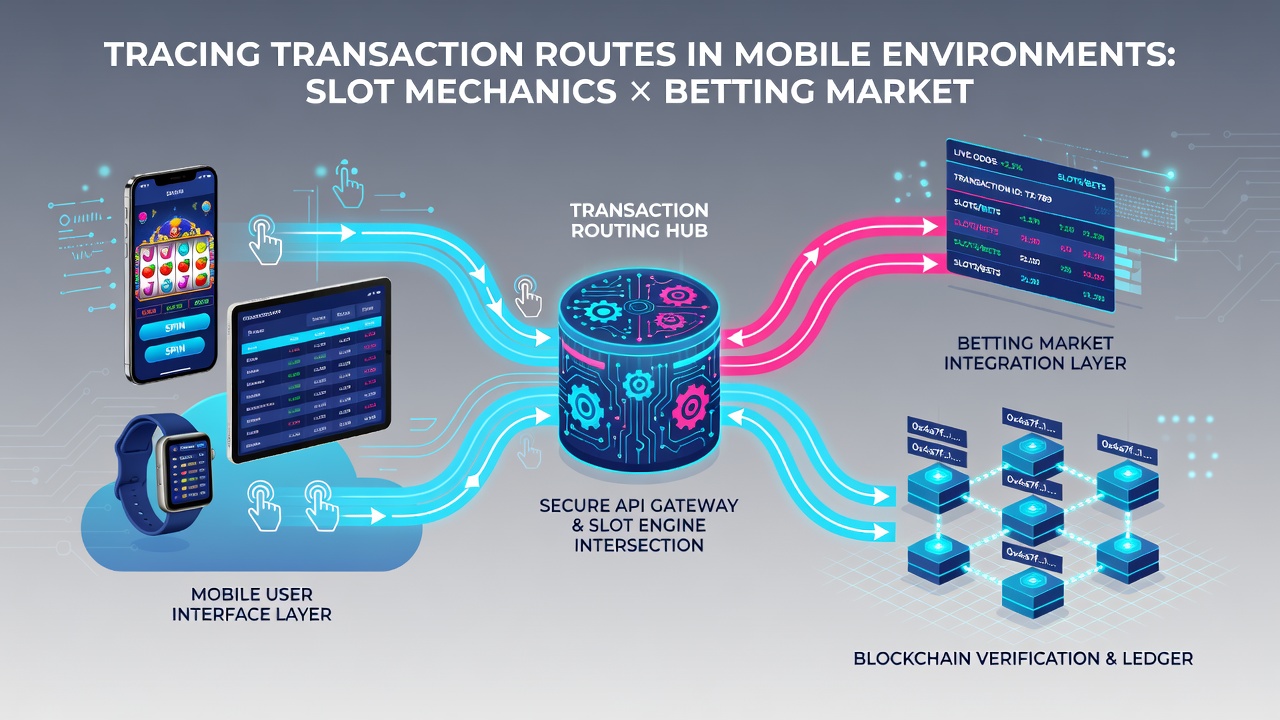
Encryption protocols wrap each data segment during transit, yet decryption occurs at designated points where compliance teams can inspect payload contents without exposing the full stream to external observers. Blockchain-based audit trails appear in some deployments, particularly where cryptocurrency funding intersects with traditional fiat settlement, because the distributed ledger provides an independent record of every transfer that operators can cross-reference against internal logs.
Integration Challenges at the Mechanics-Market Boundary
Slot engines produce outcomes at fixed intervals measured in milliseconds, whereas betting markets update continuously as external events unfold. When both functions share the same transaction pipeline, timing synchronization becomes essential to prevent one component from processing funds that the other has already flagged as unavailable. Developers address this by inserting atomic commit sequences that lock balances for the duration of a combined operation and release them only after both the random outcome and the market settlement are recorded.
Latency introduced by mobile network handoffs can interrupt these sequences, prompting fallback routines that store partial transaction states locally until connectivity resumes. Studies of such fallback behavior indicate that operators must maintain separate reconciliation queues for slot and betting components to avoid double-counting or omission during recovery.
Future Developments in Traceability Infrastructure
Advances in real-time analytics allow platforms to flag unusual patterns across hybrid sessions before settlement completes. Machine learning models trained on historical route data identify sequences that deviate from established norms, such as rapid alternation between slot spins and market positions that exceed typical user pacing. These models operate on anonymized aggregates supplied by operators under data-sharing agreements with academic research centers focused on responsible gaming technology.
As 5G networks expand coverage, the volume of simultaneous transactions per device is expected to increase, requiring corresponding growth in distributed logging capacity. Regulatory updates scheduled for review cycles in various regions will likely incorporate new requirements for cross-border data portability while preserving the ability to reconstruct full transaction routes regardless of the player's physical location at the time of play.
Conclusion
Transaction tracing in mobile environments that blend slot mechanics with betting markets relies on layered logging, standardized identifiers, and coordinated reconciliation processes that distinguish each wager type while maintaining a unified financial record. Regulatory mandates from bodies across Australia, Canada, and Singapore, alongside technical frameworks from industry associations, continue to shape the infrastructure that supports these operations. Continued refinement of graph-based mapping, device telemetry integration, and encryption checkpoint design supports accurate reconstruction of every route from initial input through final settlement.