Pocket Powerhouses: Slots and Sportsbooks Reshaped by Mobile Tech
Pocket Powerhouses: Slots and Sportsbooks Reshaped by Mobile Tech
The Mobile Revolution Kicks Off
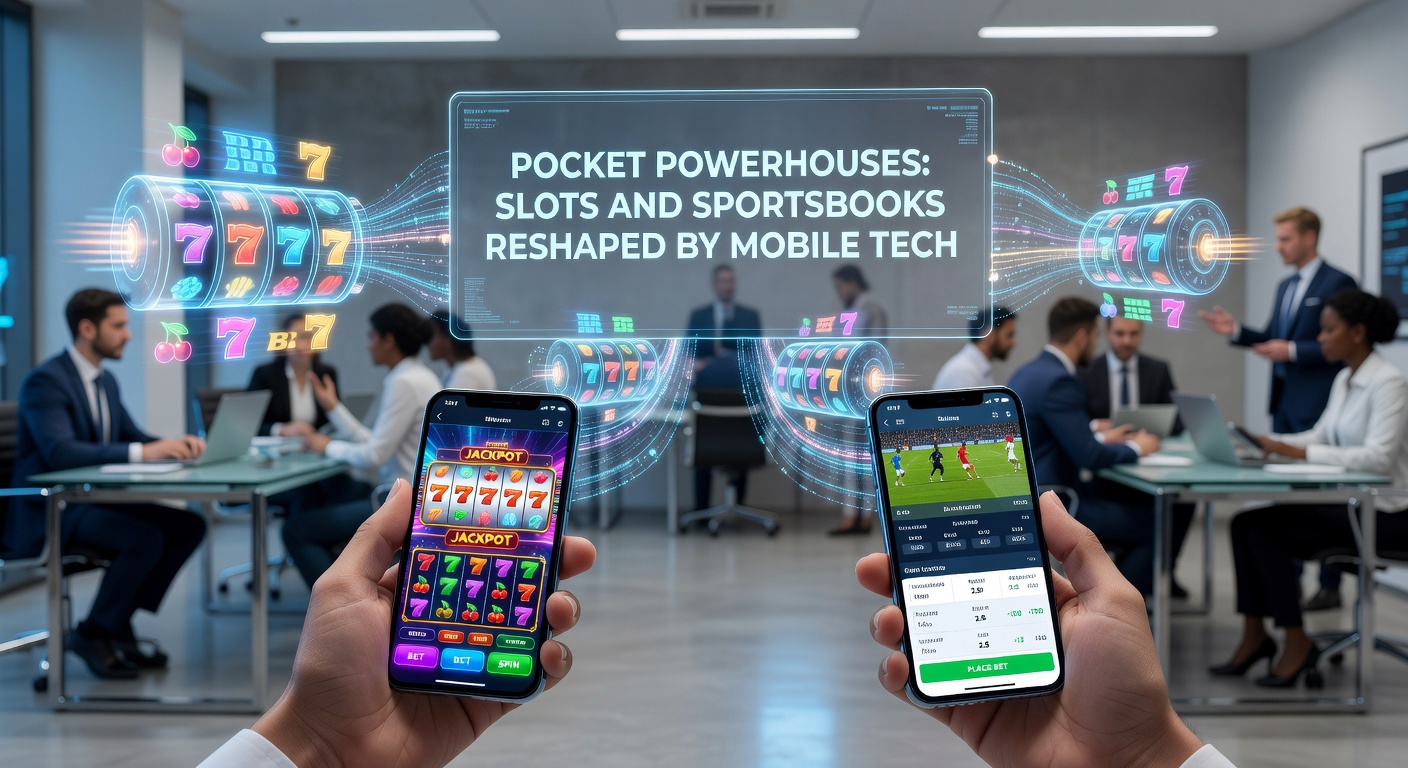
Smartphones turned gaming on its head around 2010 when early apps like those from NetEnt first brought slots to touchscreens, and by 2023, mobile traffic accounted for 60% of all online casino activity according to figures from the American Gaming Association; operators quickly adapted because players craved convenience, betting on matches or spinning reels during commutes, at events, or even in line at the grocery store. What's interesting is how this shift accelerated during the pandemic, with downloads of betting apps surging 40% in 2020 alone as people stayed home, yet the momentum hasn't slowed, carrying into 2026 where 5G networks now make lag-free experiences the norm.
Take one operator that pivoted early: they rolled out HTML5-compatible slots in 2015, ensuring games ran smoothly without downloads, and users responded by spending 25% more time on mobile versions compared to desktops; researchers who've tracked this note that touch controls and portrait-mode layouts mimic real casino one-armed bandits, drawing in casual players who might skip heavier desktop sessions. But here's the thing, sportsbooks followed suit fast, with live in-play betting exploding because fans could wager on a fourth-quarter touchdown while watching from the stands.
Tech Innovations Driving the Change
Behind the scenes, advancements like responsive design and cloud gaming have made pockets true powerhouses; developers now use WebGL for high-definition graphics that rival consoles, while AI personalizes game suggestions based on past plays, boosting retention by up to 30% as data from industry reports reveals. And with geolocation tech baked in, sportsbooks verify user locations in seconds, complying with state-by-state rules in places like New Jersey or Ontario without missing a beat.
Turns out, biometric logins via Face ID or fingerprints cut fraud rates by 50%, according to Malta Gaming Authority analyses, letting players jump into a slot tournament or adjust parlays securely; observers point out that push notifications keep engagement high too, alerting users to boosted odds on their favorite team or a progressive jackpot nearing payout, which has reshaped how platforms compete for attention in crowded app stores.
Now consider augmented reality slots emerging in 2025 trials: players scan their living room to project virtual reels onto tables, blending physical and digital worlds seamlessly, and early tests show participation spikes because it feels less like staring at a screen, more like a party trick with real stakes.
Slots Evolve for the Small Screen
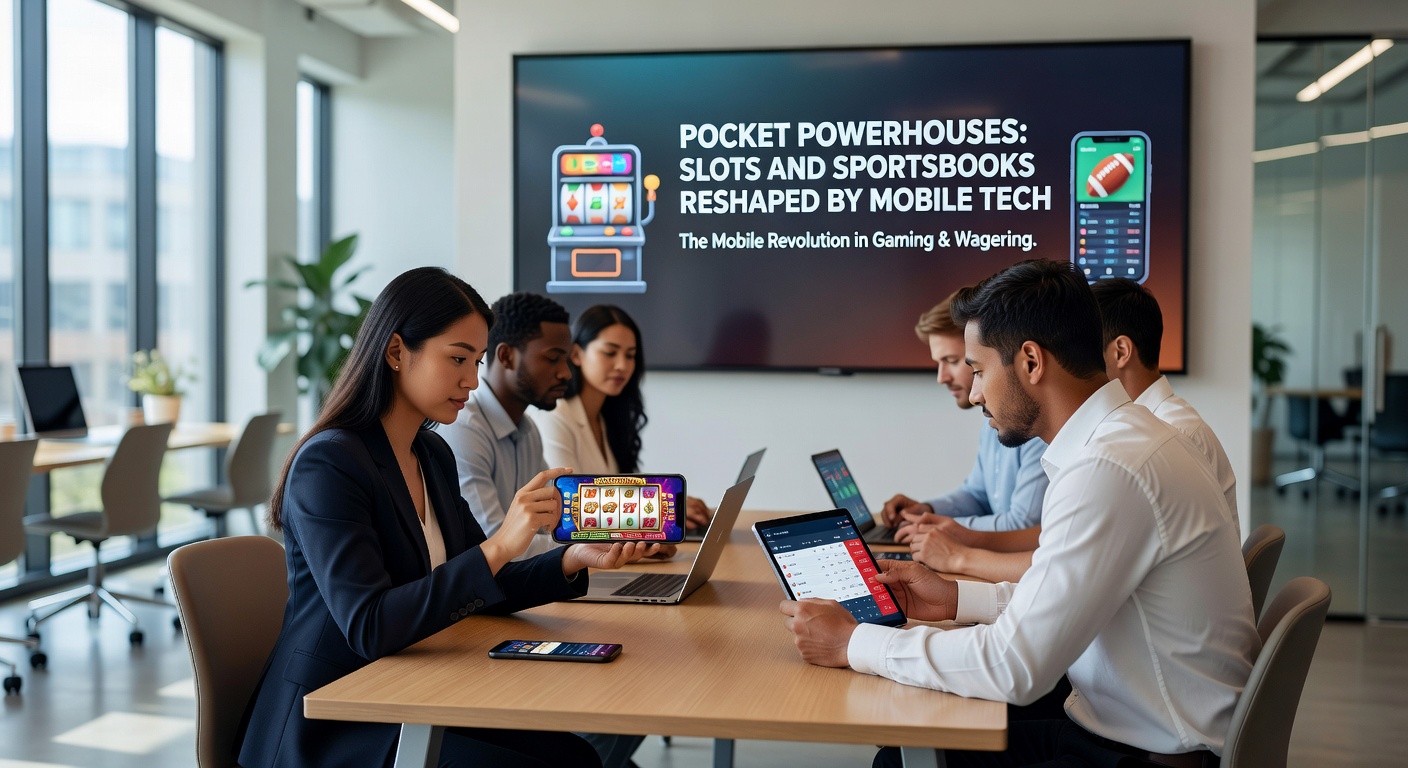
Classic slots once dominated desktops with sprawling paylines, but mobile versions slimmed down to 243 ways-to-win formats that fit thumbs perfectly, loading in under two seconds on 4G; studies found that this tweak increased session lengths by 15%, as spinners chase bonuses without zooming frustrations. Progressive jackpots hit new heights too, with one app linking global pools that topped $10 million in 2024, all tappable from anywhere legal.
Yet developers didn't stop there: cluster pays and cascading reels became mobile favorites because they deliver chain reactions of wins in portrait mode, keeping eyes glued; one case saw a title like Gonzo's Quest Mobile rack up billions in bets since its 2011 launch, proving swipe controls outperform clicks for immersive play. And in April 2026, as foldable phones gain traction, slots are optimizing for larger unfolded screens, promising desktop-level complexity without sacrificing portability.
- Mobile slots feature quicker animations to match short attention spans;
- Bonus rounds trigger via shakes or tilts, adding physical fun;
- Daily free spins hooks pull in 70% more new users, per operator data.
Sportsbooks Go Hyper-Mobile
Live betting transformed sportsbooks into pulse-pounding apps where odds update every 10 seconds during NBA games, and cash-out options let bettors lock profits mid-match; data indicates mobile users place 70% of in-play wagers now, up from 20% five years ago, because who wants to miss a goal while fumbling for a laptop? Parlay builders with drag-and-drop interfaces make complex bets simple, while social features let friends share picks in real-time chats.
So picture this: during the 2025 Super Bowl, apps handled 5 million bets in hours, with streams embedded so viewers toggle between highlights and stats without leaving the platform; experts observe that VR integrations are next, overlaying holographic fields for immersive props like "will the quarterback throw left?" And as esports booms, mobile platforms host 24/7 leagues, drawing Gen Z who bet on Counter-Strike rounds from dorms.
That's where the rubber meets the road for retention: personalized odds based on betting history, combined with gamified leaderboards, keep users coming back, with loyalty programs rewarding mobile-exclusive streaks.
Regulations Catch Up to the Speed
Governments worldwide tightened rules as mobile boomed; in the US, states like Pennsylvania mandated app-based age verification by 2023, using device IDs to block minors effectively, while Australia's Interactive Gambling Act amendments in 2024 capped ad spend on apps to curb problem play. Canada’s provincial bodies, such as those in British Columbia, rolled out mandatory break reminders every 60 minutes on mobiles, data showing a 12% drop in extended sessions as a result.
Europe's patchwork varies too: Sweden enforces deposit limits via apps, and Germany's 2021 treaty requires glitch reporting within hours; operators comply with APIs that sync across devices, ensuring one pause button halts play everywhere. But here's what's notable in April 2026: new EU directives push for cross-border data sharing on mobile habits, aiming to spot risks early without stifling innovation.
People who've studied compliance note that blockchain for transparent transactions is gaining ground, with pilots in Ontario verifying bets immutably on phones.
User Trends and Hard Data
Surveys reveal 55% of bettors now prefer apps exclusively, citing speed and notifications; average session times hit 45 minutes on mobile versus 30 on web, and deposit rates climb 20% thanks to Apple Pay one-taps. Women, once desktop-heavy, shifted 40% to slots apps post-2020, drawn by themed games like fashion or adventure slots.
One study highlighted regional quirks: Asia leads with 80% mobile penetration via WeChat mini-apps, while Latin America surges on soccer betting during World Cups; churn drops when apps offer offline practice modes, letting users simulate parlays on flights. And loyalty? Push alerts recover 25% of lapsed players weekly.
It's noteworthy that responsible gaming tools shine on small screens: self-exclusion toggles activate instantly across networks, with AI flagging chase patterns before losses mount.
Looking Ahead: 2026 and Beyond
By April 2026, 6G pilots promise sub-millisecond latency for holographic sportsbooks, where users "enter" virtual stadiums to bet; slots will leverage edge computing for personalized RTP adjustments legally, maximizing fun within regs. Wearables enter the fray too: smartwatches handle micro-bets on fights, with voice commands for quick parlays.
Industry forecasts predict mobile will claim 75% of revenue by 2027, driven by metaverse casinos where avatars spin slots amid digital crowds; yet challenges like battery drain spur solar-charging cases tailored for gamers. Observers see cross-app ecosystems rising, where sportsbook wins fund slot spins seamlessly.
The writing's on the wall: pockets aren't just powerhouses, they're the new casinos, reshaping how billions engage with chance and competition every day.
Conclusion
Mobile tech has fundamentally altered slots and sportsbooks, turning everyday devices into gateways for instant, immersive action backed by cutting-edge innovations and strict oversight; data underscores the dominance, with engagement metrics soaring as users embrace on-the-go thrills, and as 2026 unfolds, expect even tighter integrations that keep the evolution spinning forward without skipping a beat.